
Installing solar panels is an excellent investment for cutting energy bills, reducing carbon footprint, and increasing the value of your home. But before any panels can be mounted, your roof must be structurally sound and able to support the system for the next 25–30 years.
Many UK homeowners overlook this crucial step, leading to delays, unexpected costs, or installation failures. This guide explains the essential roof checks, common repair work, and structural requirements needed before fitting solar panels.
Why Roof Condition Matters for Solar Installations
Solar panels typically remain in place for decades, and removing them later for roof repairs can be expensive and inconvenient. Ensuring your roof is ready beforehand:
-
Extends the lifespan of your solar system
-
Prevents leaks or tile damage
-
Avoids costly re-scaffolding
-
Protects your warranty
-
Keeps the installation compliant with MCS standards
A healthy roof is the foundation of a successful solar installation.
Key Roof Checks Before Installing Solar Panels
Overall Roof Age & Condition
Most roofs in the UK last 20–60 years depending on the material: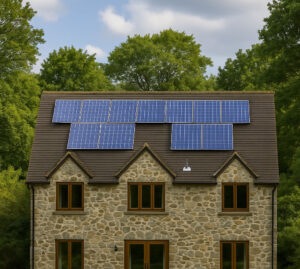
-
Concrete tiles – 40 to 60 years
-
Clay tiles – 50 to 100 years
-
Slate roofs – 80 to 150 years
-
Flat roofs (felt or EPDM) – 15 to 30 years
If your roof is nearing the end of its lifespan, repair or replacement before installation is recommended.
Structural Strength of Rafters & Trusses
Solar panels add weight — around 10–20kg per square metre including mounting hardware. A structural assessment may be needed if:
-
The home is over 50–70 years old
-
The roof has been modified
-
Rafters show sagging
-
There is cracking or damage in the loft
-
You have a flat roof requiring ballast
Tile or Slate Condition
Panels must attach securely. Look for:
-
Cracked or slipped tiles
-
Missing slates
-
Damaged ridge tiles
-
Rotten battens
-
Weathered mortar
Any issues should be repaired before installation.
Condition of Roof Felt / Underlay
Older roofs may have felt that is:
-
Torn
-
Brittle
-
Water damaged
-
Sagging
Replacing the underlay ensures long-term protection beneath the solar array.
Chimneys, Vents & Flashings
Check for:
-
Loose flashing
-
Cracked chimney mortar
-
Rusted valley trays
-
Blocked or damaged vents
-
Excess moss
These should be fixed before panels go on the roof.
Roof Repairs Commonly Needed Before Solar Installation
Tile or Slate Replacement
Damaged tiles must be swapped out to avoid leaks around the mounting brackets.
Batten Replacement
Rotten or undersized battens may need replacing, especially in older roofs.
Underlay Renewal
If the felt is failing, renewing it prevents issues later.
Chimney & Flashing Repairs
Fixing leadwork, mortar, or removing unused chimneys improves roof integrity.
Structural Reinforcement
This may include:
-
Adding new rafters
-
Strengthening trusses
-
Installing additional bracing
Flat Roof Upgrades
Older coverings may need replacing with EPDM, GRP, or reinforced felt.
Orientation, Shading & Roof Pitch Checks
Before installation, an installer will assess:
Roof Orientation
South-facing roofs give the best yield, but east/west roofs are still effective.
Shading
Chimneys, trees, and neighbouring buildings can reduce performance.
Roof Pitch
Ideal pitch is 30–40°, but adjustable frames can optimise panel angle.
Can Solar Panels Be Installed on All Roof Types?
Pitched Roofs
Most straightforward for installation.
Flat Roofs
Require frames or ballast systems.
Metal Roofs
Standing seams are ideal; corrugated roofs need specialised fixings.
Thatched Roofs
Not suitable due to fire and structural risks.
Special Case: Asbestos Roofs
Asbestos cement roof sheets are still found in older UK garages and extensions. Installers cannot drill into or mount solar panels on asbestos.
Steps:
-
Have the roof tested by a UKAS-accredited surveyor
-
Use a licensed asbestos removal company
-
Replace the roof before installation
Should You Replace Your Roof Before Installing Solar Panels?
Replacement may be wise if:
-
Your roof is older than 30–40 years
-
Leaks are common
-
Tiles frequently slip
-
A full roof replacement will likely be needed soon
A new roof ensures your solar investment lasts decades without disruption. A good local roofer near you might be able to give a roofing quote for what is needed.
Final Thoughts
A strong, well-maintained roof is essential for a long-lasting, high-performing solar panel system. Carrying out roof checks and repairs beforehand avoids problems later and ensures your installation meets safety and MCS standards.
Whether you have a tiled, slate, metal, or flat roof, preparing it properly before going solar is one of the most important steps in the entire process.